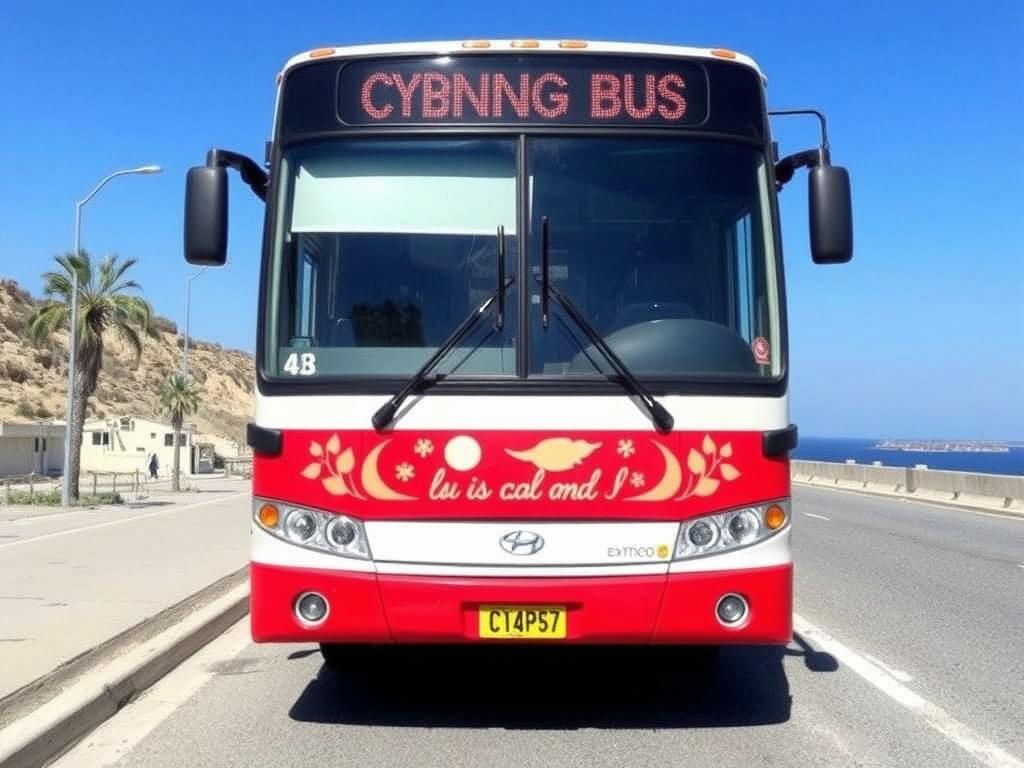

Traveling around Cyprus offers a fascinating glimpse into the island’s culture, history, and natural beauty, but navigating local transport can be a challenge without clear guidance. Whether you are a resident aiming to explore your surroundings or a tourist keen on discovering every corner, the Cyprus residence permit holders and visitors alike benefit greatly from understanding the practicalities of Cyprus’ public transport system. This guide focuses on public bus travel, sharing insights into the intercity bus Cyprus system, routes and schedules Cyprus, ticketing, eco-friendly travel Cyprus options, and some practical tourist transport Cyprus hacks.
Overview of Cyprus Public Bus System
The public bus network in Cyprus has undergone significant improvements over the past decade, particularly after the launch of the Cyprus Public Transport (Osypa) initiative in 2010. It strives to connect major urban centers with the picturesque coastal and mountainous regions using modern, eco-friendly buses. The system serves as the backbone for those who seek affordable and sustainable travel options.
Public buses operate mainly on fixed routes with schedules carefully designed to balance coverage and demand. Contrary to some traveler expectations, the bus network covers more than just the capital, Nicosia. Routes extend widely across Limassol, Larnaca, Paphos, and smaller towns, connecting both locals and tourists to vital points of interest.
The bus system towers as a gateway to Cyprus’ charming towns, offering affordable and greener travel alternatives.
Understanding the particularities of Cyprus public bus travel is the first step towards unlocking cost-effective waypoints scattered across this Mediterranean jewel.
How Intercity Bus Cyprus Functions: Routes and Schedules
Intercity bus Cyprus routes are designed to link major towns and cities across the island. The major cities—Nicosia, Limassol, Larnaca, Paphos, and Famagusta—are served by regular and reliable routes. Frequency and coverage increase during peak tourist seasons, but buses generally run several times a day on key corridors.
Routes tend to radiate from the Nicosia central bus station, the largest hub in Cyprus, giving access to coastal cities and inland villages. For example, Route 612 offers direct travel from Nicosia to Limassol, while Route 601 connects Nicosia with Larnaca. These routes can be a lifeline for travelers who don’t wish to rent a car.
Additionally, some routes serve popular tourist destinations such as Ayia Napa and Protaras, although with less frequency than urban-centered routes. Checking the routes and schedules Cyprus beforehand is essential—especially for evening buses when service slows down.
| Route Number | Origin | Destination | Estimated Journey Time | Daily Frequency |
|---|---|---|---|---|
| 601 | Nicosia | Larnaca | 45 minutes | 8 |
| 612 | Nicosia | Limassol | 1 hour 15 minutes | 7 |
| 500 | Limassol | Paphos | 1 hour 10 minutes | 5 |
| 711 | Larnaca | Ayia Napa | 45 minutes | 4 |
Planning trips around fixed schedules ensures smooth travel in Cyprus, especially on intercity routes.
Bus Fares Cyprus: Understanding Ticketing and Payment Methods
Bus fares Cyprus vary depending on distance, bus type, and passenger category. The pricing system is relatively straightforward, with single-trip tickets available for passengers onboard and reloadable cards providing a more economical option for regular travelers.
Typically, single tickets cost between €1.50 and €5.00 depending on how far you travel. Discounts apply to children, seniors, and students. Using the local rechargeable travel card, called the ‘A-Card,’ offers savings and convenience, especially for commuters or visitors planning multiple rides.
Purchasing tickets is simple: you can pay cash as you board (exact change recommended) or top up your A-Card at kiosks, station counters, or participating shops. Recently, the transportation authority introduced a mobile app enabling electronic ticket purchases, which adds flexibility for tech-savvy travelers.
Smart ticketing solutions like the A-Card cut costs and keep your travel hassle-free on Cyprus buses.
Eco-Friendly Travel Cyprus: How Public Buses Lead the Green Charge
Cyprus is increasingly embracing sustainability in transport, making eco-friendly travel Cyprus a reality. Many buses now run on compressed natural gas (CNG) or hybrid engines, drastically reducing emissions compared to older diesel models. This shift aligns with broader European Union goals for cleaner urban mobility.
The adoption of green vehicles not only mitigates the environmental impact but also improves traveler comfort with quieter rides and advanced air conditioning systems. Public transport advocates praise these improvements as vital steps in reducing local air pollution—particularly in congested city centers.
Compared to car rentals or taxis, public buses provide a tangible way for visitors and residents to reduce their carbon footprint. Choosing bus travel over private vehicles for tourist transport Cyprus helps preserve the island’s beauty and ecosystems, including protected beaches and natural parks.
By choosing the bus, you actively participate in reducing Cyprus’ environmental impact while exploring its gems.
Many tourists find using the public bus system in Cyprus a rewarding yet occasionally challenging experience. Language barriers, limited evening services, and less frequent rural routes may require extra planning. Still, access to major tourist sites like the ancient Kourion, the Troodos Mountains, and coastal resorts is fully achievable by combining multiple bus routes.
Visitors frequently rely on transport apps and online timetables to sync their sightseeing schedules with available buses. For example, using Nicosia as a base allows travelers to take day trips via intercity bus Cyprus routes efficiently. Some local companies also provide shuttle services or guided tours that complement public bus travel.
When exploring off-the-beaten-path villages, consider taking taxi-buses or ‘service buses’ that operate on demand but aren’t part of the regular public network. These alternate options require flexibility but open doors to authentic local experiences.
Tourists who embrace public buses unlock a richer, more connected visit to Cyprus, beyond typical resort bubbles.
Insider Hacks to Make the Most of Cyprus Public Bus Guide
Getting around Cyprus by bus is straightforward but paying attention to local nuances boosts any trip. Here are practical hacks gleaned from years of traveler experience:
- Download official bus apps beforehand. Real-time updates help avoid long waits.
- Use multi-ride cards like the A-Card to save money — they work on all public buses across cities.
- Plan routes around major hubs like Nicosia, Limassol, and Larnaca, which serve as starting points to most destinations.
- Avoid traveling late at night as service is infrequent; arrange taxis or private rides if needed.
- Ask bus drivers or locals about alternative transport options for rural spots to stay flexible.
- Carry cash, especially small notes or coins, since some drivers don’t always have change.
- Take advantage of off-season travel when buses are less crowded and schedules more stable.
Combining preparation with local insight transforms routine bus rides into smooth, enjoyable journeys across Cyprus.
Unlocking Cyprus: Your Public Transport Advantage
Exploring Cyprus by public bus is more than an economic choice—it’s a way to engage directly with the island’s rhythm. Each route offers a window into varied landscapes, from bustling urban centers to serene coastal walks and historic sites. Frequent, affordable, and increasingly eco-friendly buses make travel accessible to nearly everyone, regardless of their residence status or budget.
Investing some time in understanding the routes and schedules Cyprus, ticket options, and transport innovations enhances your travel efficiency. Tourists and residents alike benefit by adopting an open mindset and practical strategies to navigate the system. Whether you hold a Cyprus residence permit or simply plan to visit, public buses promise memorable journeys filled with discovery and good value.
At the intersection of convenience, sustainability, and cultural immersion, public transport is a cornerstone of truly experiencing Cyprus.
Frequently Asked Questions About Public Bus Travel in Cyprus
- How do I check current bus schedules in Cyprus?
You can visit official Cyprus Public Transport websites, download their mobile app, or inquire at central bus stations for up-to-date routes and timings. - Can I use the same bus ticket on different routes or buses?
Single-trip tickets are valid only for one ride on the specific bus. However, rechargeable cards like the A-Card allow flexible travel across multiple routes. - Is it safe and reliable to travel by public bus late at night?
Night services are limited; it is safer and more practical to plan travel during daytime or early evening. For late-night trips, use taxis or authorized shuttle services. - Are there any discounts available for tourists or residents on Cyprus buses?
Discounts exist for seniors, children, and students, but tourists generally pay regular fares unless using multi-ride cards or seasonal promotions. - Can I bring luggage or bicycles on Cyprus public buses?
Most buses allow small luggage, but space may be limited. Bicycles are usually not permitted unless folded, so check specific bus policies before traveling. - How green is public bus travel compared to other options in Cyprus?
Cyprus public buses increasingly use compressed natural gas or hybrid vehicles, making them a significantly greener choice compared to private cars or taxis. - Are there transport options from bus terminals to major tourist attractions?
Intercity buses often stop near main attraction points, but for remote sights, local taxis or shuttle services may be needed to complete the journey.